

To choose a nutrition practitioner who will work alongside your doctor, check three things first: what their credential is and who issued it, whether they are willing to work with your medical providers, and whether they say plainly what they do not do. The National Center for Complementary and Integrative Health, part of the National Institutes of Health, gives the same advice for any complementary practitioner: learn about their “education, training, licensing, and certifications,” and find out whether they are “willing to work together with your conventional health care providers.”1
Seven questions to ask before you book
- What is your credential, and who issued it? “Nutritionist” is used by people with very different training. A registered dietitian, a nutritional therapy practitioner and a health coach are not the same thing. The differences are set out in NTP, dietitian or nutritionist: what’s the difference?
- Will you work with my doctor? A practitioner who is comfortable with your doctor knowing the plan is a good sign. One who asks you to keep it from your doctor is not.
- What don’t you do? A nutritional therapy practitioner “may not diagnose, treat, prevent, prescribe, or cure any pathological condition, illness, or disease.”2 A practitioner should be able to say where their work stops.
- When would you send me back to my doctor? The answer should be specific: new or worsening symptoms, anything that needs a diagnosis, anything involving medication.
- What happens in the first session, and what do I leave with? Expect an intake, a look at what you actually eat, and a written plan, not a product pitch.
- Do you sell the supplements or tests you recommend? It is not wrong if they do. You should know, and you should be free to buy elsewhere or to decline.
- What does it cost, and is it covered? Ask before the first session. Don’t assume insurance covers it.1
Signs to look for
- They ask what your doctor has already ruled out.
- They ask about your medications and diagnoses before recommending anything.
- They explain why each change is in the plan.
- They talk about widening your diet again, not only about what to remove.
Signs to walk away from
- A promise to cure a condition.
- Advice to stop or change a medication.
- A diagnosis from a questionnaire or a single test.
- A large supplement order in the first meeting.
- A long list of banned foods with no plan to bring any back.
Your part
Tell the practitioner about all of your health conditions, and tell your doctor about the nutrition work you are doing. Both pieces of advice come from the same federal guidance, and they are what keeps one plan from working against the other.1 If you are starting from nothing, your doctor is also the first place to ask for names.1
How Maria answers these questions
- Credential: Maria Zilka is a nutritional therapy practitioner (NTP).
- Your doctor: with your permission, she coordinates with your physicians, therapists and other practitioners.
- Scope: she does not diagnose or treat disease, and her work runs alongside your medical care.
- First steps: a free first conversation, then a full assessment and a written plan.
- Supplements and testing: supplements only where they are needed, and functional lab testing only when it is useful.
- Cost: self-pay; HSA and FSA cards are accepted.
The details are on how working together looks. To ask your own questions, request an appointment or call (503) 929-7747.
Sources
- National Center for Complementary and Integrative Health, “6 Things To Know When Selecting a Complementary Health Practitioner”. nccih.nih.gov
- Nutritional Therapy Association, “Scope of Practice”. nutritionaltherapy.com
This article is for education and is not medical advice. Maria is a Nutritional Therapy Practitioner, not a physician. If you have symptoms that worry you, please talk with your medical provider.
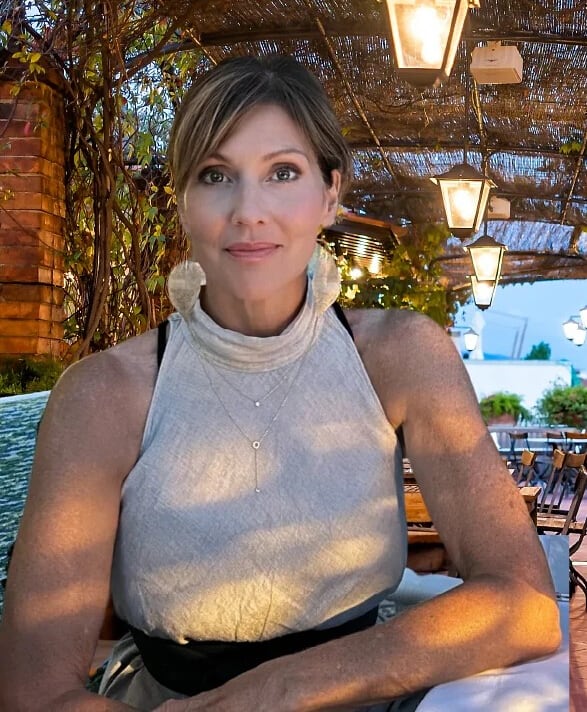
Maria Zilka, NTP
Maria has practiced nutritional therapy for more than fifteen years. Her work centers on the nervous system, digestion and chronic inflammation. She sees clients in person in Beaverton, Oregon, and by secure video. More about Maria